Demolition and removal
Demolition and removal before a renovation starts
Demolition and removal open the renovation, and everything done at this stage sets the pace of the work that follows. The main risk is taking out too much: a wall that holds up the structure, a pipe running inside a wall, or flooring that was supposed to stay. Before starting, mark on site what is being removed and what is being kept, have an engineer check any wall you have doubts about, and coordinate the skip, the elevator and parking with the building. Uncoordinated removal delays everyone who comes after.
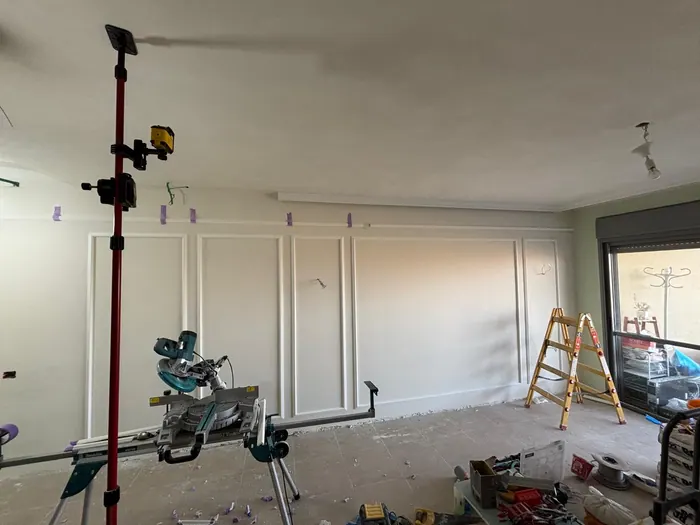
1,500-35,000 ₪
by scope of demolition and removal
The range is a ballpark only. The final price is set after inspecting the property, the scope of work, the finishing materials and site conditions.
What's usually included?
- Removing existing elements
- Demolishing non-structural walls after inspection
- Debris removal
- Waste skip or debris chute when needed
- Preparing the area for the next stage
What affects the price?
- Floor of the property and elevator access
- Amount of debris
- Type of walls and wall coverings
- Parking and skip location
- Working hours and building restrictions
How does RBM help keep it organized?
- Documenting the existing condition before removal
- List of items to remove
- Coordinating access and working hours
- Confirming the area is ready for the next stage
Stages of the work
- 01
Marking what is removed and what stays
Go through each room and mark on the walls and floor what is being removed, what is being kept and what needs to come out intact. The homeowner approves the list in writing, including items they want to keep or sell, such as doors, sanitaryware or cabinets.
- 02
Checking walls and utilities
Before demolishing a wall, check whether it is load-bearing, which pipes and cables run through it, and what is above and below it. When there is doubt about a wall, consult an engineer, and the homeowner decides whether to go ahead based on the engineer's opinion.
- 03
Coordinating with the building and neighbors
Agree with the building committee or the neighbors where the skip will stand, whether the elevator is used and how it and the stairwell will be protected. The homeowner approves when noise is allowed and who handles complaints if they come in.
- 04
Protection, disconnection and removal
Before removal, water and power are shut off in the area, floors and doors that stay are covered, and openings are sealed so dust doesn't spread to the rest of the home. Then everything is removed according to the markings, and the homeowner receives photos of what was exposed.
- 05
Debris removal and waste skip
Debris goes down in bags, through a chute or by crane to a skip or truck, depending on the floor and access. Agree in advance what the removal includes, who pays for an extra skip and what is done with materials that need separate handling.
- 06
Cleaning and handing over the area
At the end, the area is cleaned, leftover plaster and adhesive are removed, and clean, straight edges are left wherever something was taken out. The homeowner walks through with the contractor and confirms the area is ready for the next tradesperson before paying for the stage.
What to check before you pay
- Ask for photos of every wall and floor before removal, so there's a record if something that was supposed to stay gets damaged.
- Make sure the items marked to keep are still intact and exactly where agreed before you pay for the demolition.
- Check that the stairwell, the elevator and the building entrance were cleaned and not damaged before the contractor finishes the stage.
- Ask to see that every exposed pipe and cable was capped or marked, and that there are no leaks or exposed wires on site.
- Check that the skip was taken away and the sidewalk or parking area was cleaned, so the skip doesn't stay at your expense after the stage ends.
Demolition and removal price list by line item
8 line items · updated 11/2026
Floor tile removal
60-130 ₪
per m² · Includes basic removal; debris removal is separate, by quantity and access.
Drywall wall removal
95-160 ₪
per m² · For drywall partitions without complex infrastructure.
Knocking down an interior block wall
120-280 ₪
per m² · Excludes load-bearing walls or unusual debris removal.
Bathtub removal
600-1,200 ₪
per unit · One bathtub, before infrastructure and finishing work.
Bathroom strip-out
2,000-4,500 ₪
per room · Includes existing sanitaryware and wall tiling.
Old kitchen removal
1,500-4,500 ₪
per kitchen · Depends on size, countertop, cabinets and debris removal.
Waste skip and debris removal
1,200-4,500 ₪
per removal · Depends on volume, location, parking and truck access.
Debris chute
700-2,500 ₪
per project · Needed mainly on high floors or in buildings without a service elevator.
Updated November 2026 · price varies by spec and site conditions
See the full price listQuestions about Demolition and removal
Can any wall be demolished?
No. A load-bearing wall, a wall carrying the building's utilities or a wall shared with the neighbors needs to be checked before anyone touches it. Consult an engineer about any wall you have doubts about, and ask for a written opinion. Demolishing a wall without that kind of check puts your home and your neighbors at risk. For example, a wall between the kitchen and the living room sometimes looks like a simple partition, but turns out to be load-bearing or to carry a sewage pipe from the floor above.
What affects the cost of debris removal?
The amount and type of debris, the floor, whether there is an elevator you're allowed to use, and the distance from the apartment to where a skip can stand. On high floors without a suitable elevator, a debris chute or a crane is sometimes needed. Ask for the quote to spell out how the debris is removed and what happens if there is more than expected. Also ask whether the removal includes the bags and cleaning the stairwell. For example, when there's no room for a skip near the building, the debris is collected in bags and taken away in several rounds, which changes the price and the pace of the work.
Can you stay at home during demolition?
During demolition it's better not to. There is loud noise, fine dust that gets through even closed doors, and water and power cuts. If there's no choice, agree in advance which rooms will be sealed with plastic sheeting and stay in use, and keep anything sensitive to dust in those rooms, such as clothes and computers. For example, dust from chiseling concrete and plaster gets into air conditioning units, closets and mattresses, so turn off the air conditioner and cover the vents. If someone at home is sensitive to dust, it's better to plan temporary accommodation for this stage.
What happens if something unexpected turns up during removal?
Under the floor tiles or inside a wall you may find old pipes, moisture, exposed rebar or previous layers of tiles. The contractor should stop in that area, take photos and explain what was found and what the options are. Any extra work is written down with a price and approved by you before work continues. A photo of the finding and of the decision is kept together with the specification. For example, under old tiles there is sometimes an earlier layer of tiles, and the decision whether to remove it too affects the floor height and the debris removal.
How do you compare demolition and removal quotes?
Check that all the quotes refer to the same removal list, and that each quote spells out how the debris is removed: skip, chute or bags. It's important to see what's included in protecting the building, the final cleanup and handling the items being kept. A quote without detailed debris removal can get more expensive later. Ask each quote to also state who protects the elevator and who cleans it. For example, a quote that says only "debris removal" without specifying a skip or chute may add a charge once it turns out the apartment is on a high floor.
What should you keep or sell before demolition?
Doors, cabinets, sanitaryware, light fixtures and appliances in good condition can sometimes be sold, donated or reused elsewhere. Mark them in advance and take them out before the contractor starts, because it's hard to keep them intact during removal. Whatever stays on site is usually treated as debris. For example, solid wood interior doors, a kitchen cabinet in good condition or a stone sink can be used in another room or in a relative's home. If the contractor takes them out for you, agree that it's done carefully and without an unexpected extra charge.
Related renovation work
Painting
1,800-12,000 ₪
by number of rooms and amount of repairs02Plaster and skim coat
75-650 ₪
per m², by finish type03Drywall
280-650 ₪
per m², typical work04Flooring
180-620 ₪
per m², excluding expensive tiles05Plumbing
350-25,000 ₪
by water points and scope of infrastructure06Electrical work
250-65,000 ₪
by points, panel and scope of prepRegistered renovation contractors by city
- Jerusalem992
- Tel Aviv-Yafo487
- Rishon LeZion410
- אום אל-פחם343
- Petah Tikva315
- Be'er Sheva294
- Nazareth282
- Netanya253
- Haifa252
- Ashkelon244
- Holon244
- Ramat Gan214
- Ashdod208
- Herzliya182
- Hadera171
- Rehovot164
- Kfar Saba161
- טייבה157
- עילוט149
- מעלה עירון136
- Hod HaSharon125
- Ra'anana124
- Bnei Brak117
- מג'דל שמס107
Looking for a contractor for demolition and removal?
Build a project file with a cost range, milestones and terms, and send it to contractors who work in an organized way.
Build a project file